

Are you at the right age to have a baby? Not sure, learn how age and pregnancy connected. Lifestyle changes, career priorities and personal choices of couples have seen a major shift in the present age. As most of the women have become more career oriented, they choose to get married in their early 30s. That’s when the most frequently asked questions in reproductive health today arises: “Is there a right age to have a baby?” or “Does my age affect my chances of having a healthy pregnancy and baby?”
Age plays a crucial role in fertility and pregnancy outcomes. There’s no doubt due to advancement in science and modern medicine, improved prenatal care and increased awareness have made healthy pregnancies possible in late 30s and also in later stages of life.
How Age Influences Fertility and Pregnancy
Did you know, women are born with 1 to 2 million eggs, which decline in both quantity and quality as they age. Fertility is at its peak in the early to mid-20s and gradually decreases with age, especially after the mid-30s. As you age, egg quality declines and the chances of conception may reduce leading to the risk of chromosomal abnormalities in the foetus.
However, we need to understand that fertility decline is gradual and not sudden. Maintaining good physical health can help women conceive naturally even in their 30s and early 40s.
Advantages of carrying a life in your 20s
Considering from a biological perspective, early and mid-20s are often considered the most favourable time for pregnancy.
Why are 20s the best to conceive?
- Fertility is at its peak
- The risk of miscarriage is comparatively low
- Pregnancy-related complications are relatively low
- Your body recovers faster after childbirth
With age, major factors such as nutrition, mental well-being, access to healthcare and lifestyle habits play a crucial role. Emotional readiness and social support are equally important for both mother and baby.
Pregnancy in Your 30s: Here’s the truth
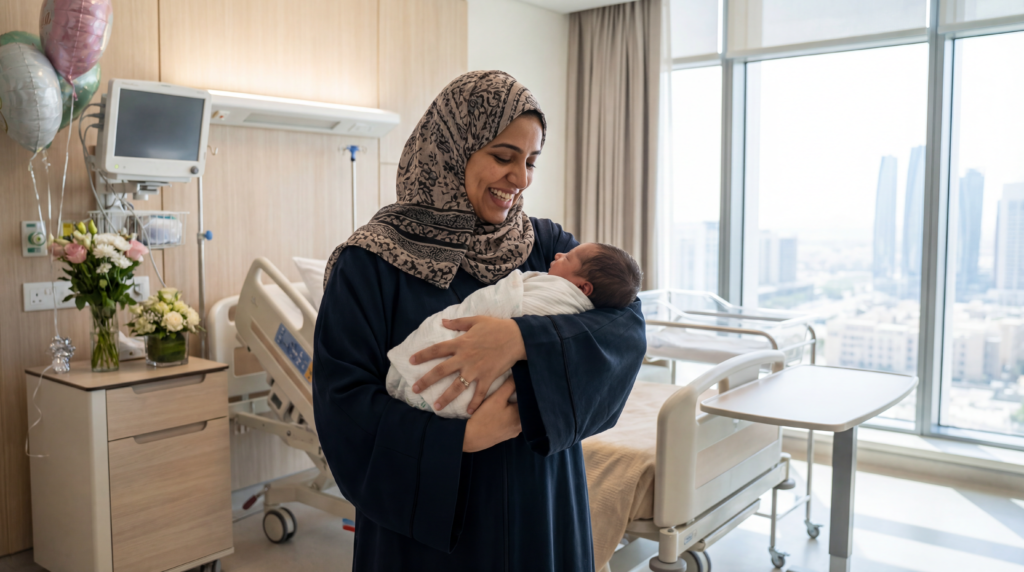
Nowadays couples have come into an understanding that they need to be emotionally, financially, and mentally prepared for parenthood. When the woman decides to get pregnant, she must have already entered her 30s. Scientifically, fertility begins to decline gradually after 30 and more noticeably after 35. Pregnancies after 35 are often considered as late maternal age, which simply means doctors monitor them more closely.
Potential concerns may include:
- Conceiving becomes difficult with age
- Higher risk of gestational diabetes or high blood pressure
- Maternal age increases the cases of chromosomal conditions such as Down syndrome
Despite these challenges, most women in their 30s who follow proper lifestyle experience healthy pregnancies and deliver healthy babies.
Pregnancy After 40: Increased Risks, Not Impossibility
Due to advancements in fertility treatments and better healthcare access, pregnancy after 40 is becoming more common. However, there are chances of increased medical risks, including:
- Fertility reduces
- Chances of miscarriage increases
- A slightly higher risk of pregnancy related complications such as preeclampsia
- Higher chances of caesarean delivery
With early prenatal care, assisted reproductive technologies and close medical supervision, many women in their 40s successfully carry full term pregnancies without any complications.
Take care of these things to ensure healthy pregnancy
- Overall physical health
- Pre-existing medical conditions like diabetes or thyroid disorders
- Body weight and fitness levels
- Nutrient rich diet
- Mental health and stress management
- Avoidance of smoking, alcohol, and substance use
A healthy woman in her late 30s and 40s who follows a balanced healthy lifestyle may have fewer complications than a younger woman with unmanaged health issues.
The Role of Modern Medicine
You need to make use of advancements in reproductive and maternal healthcare, as it has significantly improved outcomes for pregnancies across all age groups.
Checklist to consider before trying to conceive
- Advanced prenatal screening and genetic testing
- Improved management of high-risk pregnancies
- Fertility preservation options such as egg freezing
- Assisted reproductive technologies like IVF
- Better neonatal and postnatal care
- You can manage potential risks effectively by early diagnosis, personalized treatment plans and regular monitoring.
Here are some preps before entering pregnancy phase
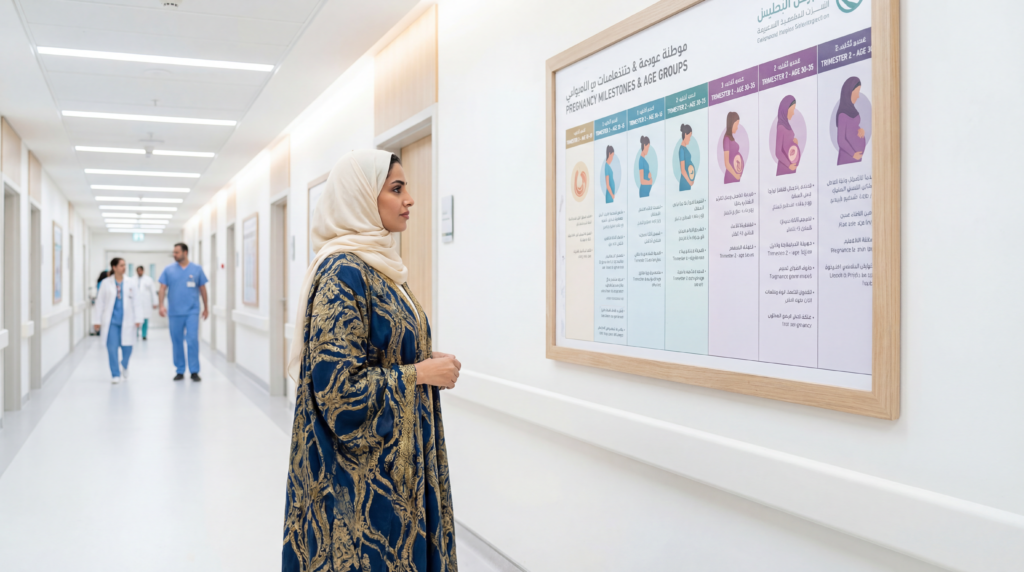
Regardless of age, consulting a healthcare provider before trying to conceive can help assess health status, manage chronic conditions and improve your pregnancy journey.
This may include:
- Nutritional counselling
- Folic acid supplementation
- Vaccination updates
- Lifestyle modifications
While age does play a role in fertility and pregnancy outcomes, it is just one part of a much larger picture. Modern medical care has actually turned out to be a boon to women today. Now it’s possible to experience healthy pregnancies at your later ages. What matters most is whether your body is ready to welcome a baby into this world. Prioritizing both physical and emotional well-being, understanding your body, seeking timely medical advice can truly be a game changer in your life.
The right care for every women
At Sama Medical Co, we provide comprehensive Gynaecology services that are designed to support women at every stage of life. Here, Women’s health is approached with expertise, empathy and personalised care. From preventive screenings through pregnancy and postnatal care, we offer complete health support and personalised guidance for women. With experienced specialists and advanced medical care, Sama is committed to helping you make informed choices for your health and well-being.