
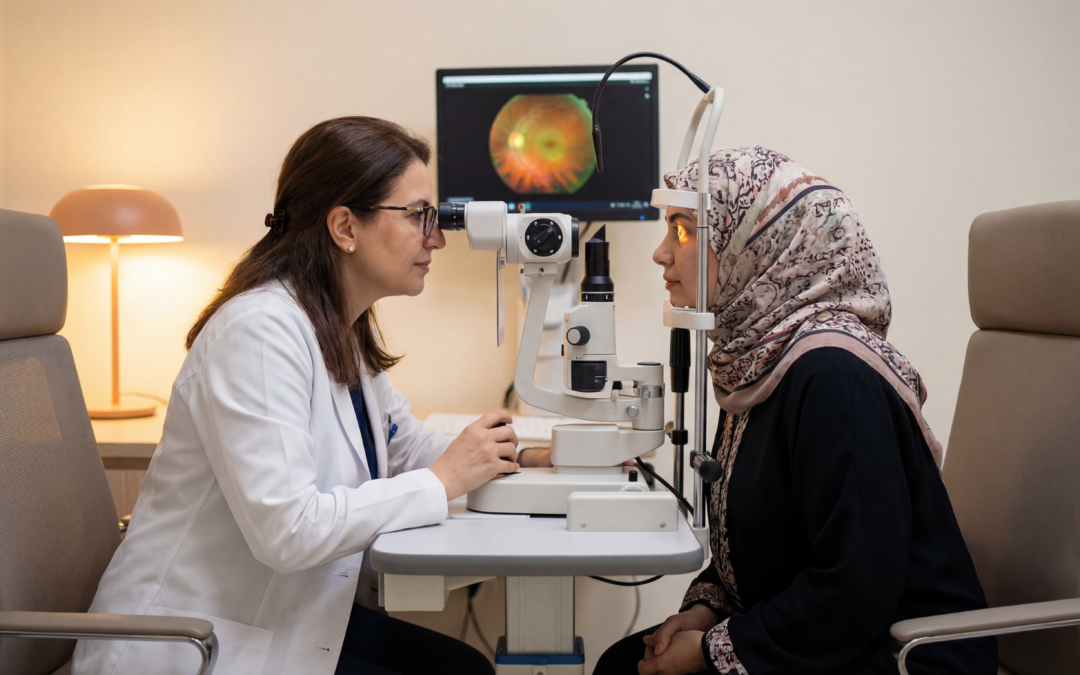
Are you diabetic? Do you know if you don't control your sugar levels at the early stage, then your eyes may be at major risk.
Yes, diabetes can affect your eyes and you are likely to even lose your eyesight. This condition is medically termed as Diabetic Retinopathy.
People living with diabetes have a higher chance of vision impairment that may lead to vision loss. Due to lifestyle changes, diabetes continues to rise worldwide. Eye-related complications like diabetic retinopathy are becoming an increasingly common concern. Early detection, proper medical care and good lifestyle choices can easily help manage this condition.
What Is Diabetic Retinopathy?
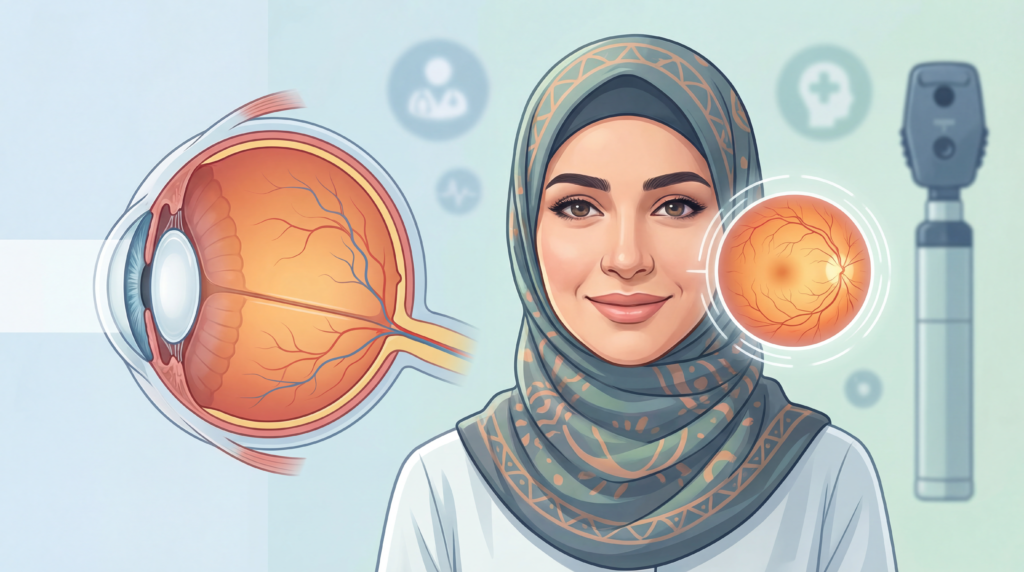
Diabetic retinopathy affects people with uncontrolled diabetes and is a medical condition that primarily impacts the eyes. It targets the retina. Retina is the light-sensitive tissue at the back of the eye responsible for clear vision. Prolonged high blood sugar levels can damage the tiny blood vessels connected to the retina, causing them to swell, leak fluid or become blocked.
If not identified early or managed with appropriate treatment, the condition can progress to proliferative diabetic retinopathy, a more advanced stage in which abnormal new blood vessels grow in the retina. These fragile vessels can bleed easily, leading to blurred vision and gradually creating dark spots in your eyes, which can later lead to sudden vision loss.
Why Is Diabetic Retinopathy More Common Today?
Several factors are contributing to the growing prevalence of diabetic retinopathy:
1. Increase in Diabetic cases
Lifestyle changes, especially unhealthy eating habits, obesity and stress have led to a sharp increase in both Type 1 and Type 2 diabetes. Uncontrolled sugar levels lead to many health concerns including Diabetic Retinopathy.
2. Unmonitored Diabetic Journey
With increase in sedentary lifestyles and unhealthy eating habits, diabetes is now being diagnosed at a much younger age. Unfortunately, only a few people identify the condition early and seek proper medical guidance. When diabetes remains unmonitored over the years, a prolonged disease history significantly increases the risk of multiple health complications.
3. Poor Blood Sugar Control
Irregular medication use, delayed diagnosis and inconsistent monitoring can lead to prolonged high blood sugar accelerating damage to retina’s blood vessels.
4. Lack of Early Symptoms
Diabetic retinopathy often develops in the later stages. Many patients don’t experience noticeable vision changes until the condition has already progressed, delaying treatment.
Here are some common symptoms you should look for
Though there are hardly any early symptoms for people diagnosed with diabetic retinopathy, here are some signs that you should never ignore:
- Blurred or fluctuating vision
- Dark spots or floaters
- Difficulty seeing at night
- Faded or washed-out colours
- Sudden loss of vision in severe cases
Anyone living with diabetes should consider regular eye examinations essential, even if your eyesight seems normal.
How does diet play a role in managing Diabetic Retinopathy?
Diet plays a vital role in managing diabetes. Controlling diabetes helps in protecting eye health. A proper diet can help control blood sugar, blood pressure and cholesterol.
Here are some of foods that support Eye health and Blood Sugar levels
1.Leafy Green Vegetables
Spinach, kale, broccoli and other greens are rich in antioxidants-lutein and zeaxanthin, which help protect retina’s cells from oxidative damage.
2. Whole Grains and High-Fibre Foods
Whole wheat, oats, brown rice, quinoa and barley help prevent sudden blood sugar spikes and improve overall glucose level.
3. Lean Proteins
Fish, skinless poultry, eggs, legumes and low-fat dairy help maintain steady blood sugar levels and support tissue repair.
4. Fatty Fish and Omega-3s
Salmon, sardines and mackerel contain omega-3 fatty acids that support blood vessel health and reduce inflammation.
5. Healthy Fats
Moderation is the key. A handful of nuts, seeds, olive oil and avocados support heart health and improve insulin sensitivity.
6. Low-Glycaemic Fruits
Berries, apples, pears and citrus fruits provide essential vitamins without causing sharp spikes in blood glucose when portion sizes are controlled.
Limit consumption of these foods
- Sugary foods and desserts
- Refined carbohydrates such as white bread and pastries
- Processed, Fried and fast foods and
- Sugary drinks and packaged juices
- Excess salt can worsen blood pressure, so limit its use
Lifestyle Habits to Adopt to prevent Diabetic Retinopathy
- Monitor your regular blood sugar levels
- Keep a check on your blood pressure and cholesterol
- Make time for regular physical activity
- Avoid smoking
- Follow prescribed medications consistently
- Schedule regular eye checkups as advised by your doctor
The Importance of Regular Eye Screening
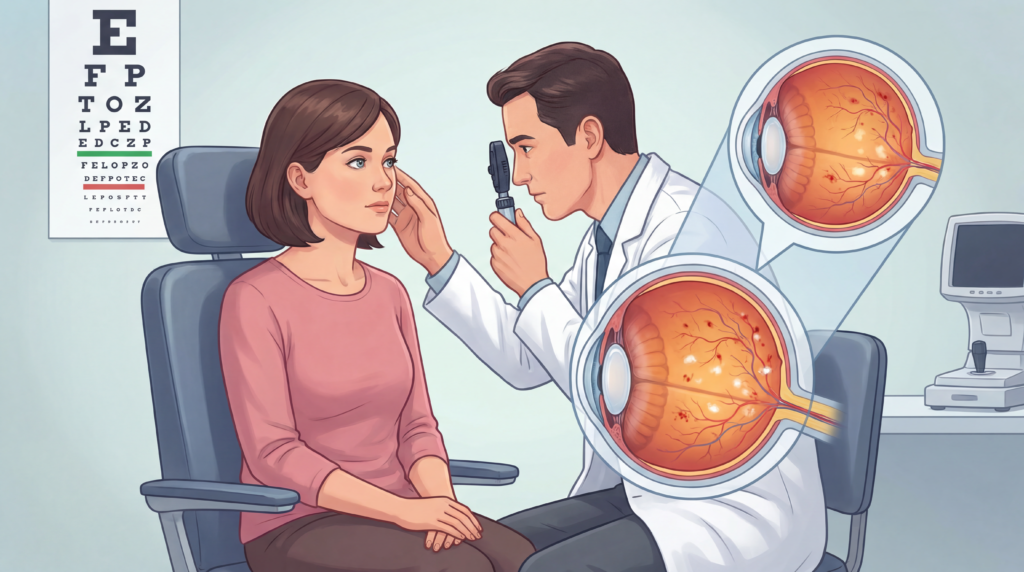
Early detection and timely treatment play a crucial role in managing diabetic retinopathy. A comprehensive, detailed eye examination allows doctors to identify retina’s changes before symptoms appear and initiate appropriate treatment at the right time.
Patients with diabetes should undergo:
- Dilated eye examinations annually
- Follow more frequent screenings if detected retinopathy
- Immediate evaluation if sudden vision changes occur
- Modern treatments including laser therapy, injections and advanced surgical options are highly effective when started early.
Take action today to protect your vision
Awareness, early diagnosis and proactive lifestyle choices play a vital role in preventing and managing Diabetic Retinopathy. By monitoring blood sugar levels, adopting a balanced diet, and prioritising regular eye check-ups, patients can safeguard their vision and maintain a healthy quality of life.
If you are looking for expert, comprehensive eye examinations and proper guidance in managing diabetic retinopathy, Sama Medical Co is here to support you. With experienced doctors and the latest medical technology, we are committed to delivering accurate diagnosis and personalised care.
Your eyes are among the most valuable organs in your body and deserve thoughtful care. A healthy, balanced lifestyle plays a key role in preserving clear vision and overall well-being.